STEAMERS CLOSES ITS DOORS TOMOROW, JULY 30TH FOREVER!
DON'T MISS THIS LAST CHANCE TO SEE HEDGEDOG SWING PERFORM HERE! CALL
714-871-8800 TO RSVP!
The legendary music of 1930s jazz virtuoso Django
Reinhardt is alive and well in Orange County… if you know where to
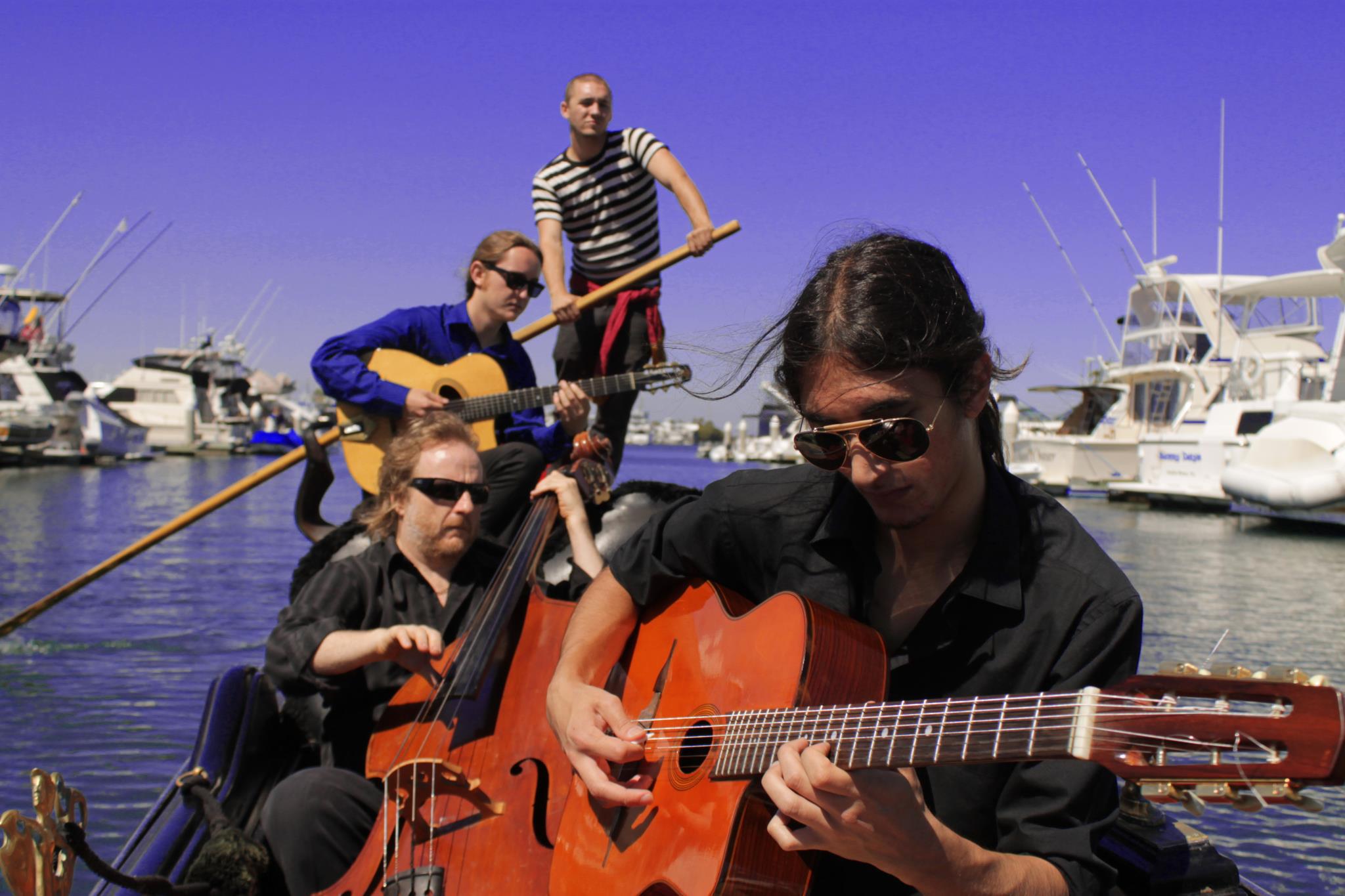
look. Long Beach-based Gypsy jazz band Hedgehog
Swing plays this Thur at Steamers in Fullerton Hedgehog Swing Their lively jazz sets conjure nostalgic memories of
walking down Parisian streets in the 1930s that you didn’t even know you had.
Every “Django Jam” brings together groups of musicians who skillfully play Django
Reinhardt-penned hot jazz standards including “Minor Swing,” “Django’s
Tiger,” “Daphne,” and “Nuages,” along with other romantic songs from the era
like “Dark Eyes,” “Pennies from Heaven,” and “All of Me.” The musicians of
Hedgehog Swing, which consist of clarinetist Kale Stiles, guitarists Luca Pino
and Gage Hulsey, and bassist Benj Clarke, draw you in with the charisma and
jubilance with which they play these classic songs. Influenced by contemporary
Gypsy jazz musicians like Stochelo
Rosenberg and Angelo
Debarre, Hedgehog Swing brings skill and passion to their playing.
So, if you ever find yourself wishing you could fly to Paris in the middle of
the work week, let yourself be transported by the nostalgic music |